
Each March, Women’s History Month invites us to pause and reflect on the contributions of women whose leadership has shaped institutions, communities, and intellectual life. In higher education, this reflection is especially important. The academy has long been a place where ideas flourish, yet access to leadership and advancement has not always been equitable.
For many women of color pursuing careers in higher education, the journey toward the professorate, academic leadership, and institutional influence has required both brilliance and resilience.
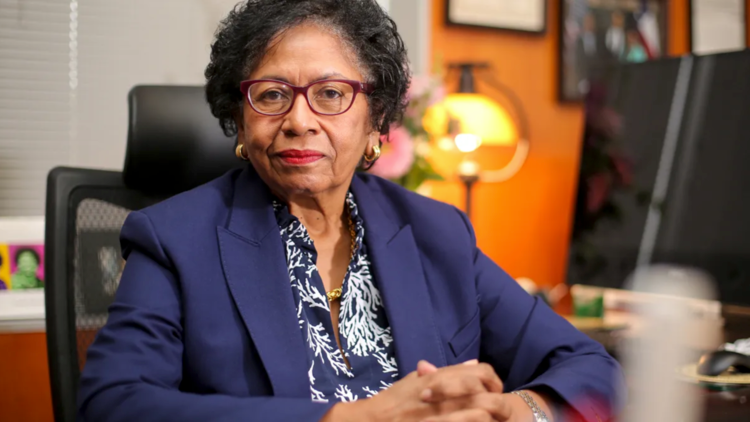
One leader whose story powerfully illustrates this path is Ruth J. Simmons—a scholar, president, and visionary whose impact continues to influence the landscape of academic careers today.
Her legacy offers meaningful lessons for faculty members, administrators, and emerging leaders navigating career advancement in higher education.
A Trailblazer in the Professorate
Dr. Simmons made history when she became the first Black president of an Ivy League institution at Brown University. Her appointment was not simply symbolic; it represented a shift in what leadership could look like within elite academic institutions.
Before that historic role, she served in leadership positions at Smith College and Princeton University, building a reputation as a thoughtful scholar and principled administrator.
Her career trajectory reflects what many professionals in careers in academia understand well: advancement in higher education rarely follows a straight line. It requires strategic decision-making, mentorship, and a deep understanding of institutional culture.
For faculty moving from adjunct faculty roles into tenure-track positions—or from associate professor to full professor—Dr. Simmons’ journey reminds us that leadership often grows from both scholarship and courage.
Representation Matters in Academic Leadership
Representation within the professorate is not simply about visibility; it shapes the direction of scholarship, policy, and student success.
Women of color in higher education often bring perspectives that expand how institutions think about:
- Equity in student access and success
- Institutional leadership and governance
- Research agendas that address underserved communities
- Mentorship for emerging scholars
When women of color enter leadership roles, they do more than occupy positions—they reshape institutional conversations.
Dr. Simmons frequently emphasized the importance of intellectual rigor paired with moral leadership. In a field where the demands of teaching, research, and service can be overwhelming, this balance remains essential for sustainable career advancement in higher education.
Lessons for Professionals Navigating Academic Careers
Throughout my work coaching professionals across the higher education landscape, I see many talented leaders navigating the same questions:
- How do I move strategically toward the professorate?
- What steps prepare me for leadership beyond faculty roles?
- How do I maintain purpose and impact within complex institutions?
The careers of women like Dr. Simmons offer powerful guidance.
Here are several insights worth reflecting on:
- Leadership Requires Strategic Positioning
Advancement in academia is not only about excellence in research or teaching. It also involves understanding institutional priorities, building relationships, and positioning your work within broader academic conversations.
- Mentorship Matters
Many successful leaders in the academy emphasize the importance of mentors and advisors who help them see opportunities they might otherwise miss.
- Vision Must Extend Beyond the Individual
Great academic leaders connect their personal success to institutional transformation—whether through policy change, student success initiatives, or scholarly impact.
Women of Color and the Future of Higher Education
Today, more women of color are entering doctoral programs, faculty roles, and administrative leadership than ever before. Yet many still face structural challenges that can slow advancement or obscure pathways to leadership.
That is why intentional support, coaching, and strategic planning matter.
Whether you are:
- an adjunct faculty member preparing for a tenure-track role
- an associate professor considering promotion
- a professor exploring leadership opportunities
- or an administrator navigating complex institutional expectations
your career deserves thoughtful strategy and support.
The contributions of women like Dr. Simmons remind us that leadership in higher education is not simply about titles. It is about influence, vision, and the courage to shape institutions for future generations.
Moving Forward with Intention
Women’s History Month is a moment to honor the scholars and leaders who have opened doors across the academy. But it is also a moment to ask a deeper question:
What legacy do you want your academic career to create?
For many professionals in higher education, the next step in their journey requires clarity, strategy, and confidential guidance.
If you are navigating advancement within the professorate, preparing for leadership, or considering your next move in careers in academia, I invite you to take the next step.
Schedule a complimentary consultation with Dr. Loren M. Hill to discuss your goals and explore how strategic coaching can support your leadership journey.
Together, we can ensure that your work in higher education not only advances your career—but also contributes meaningfully to the future of the academy.